Watercolor Ink Decorative Doodle Borders: A Designer’s Real-Use Review
First Impressions: Soft, Artistic, and Versatile
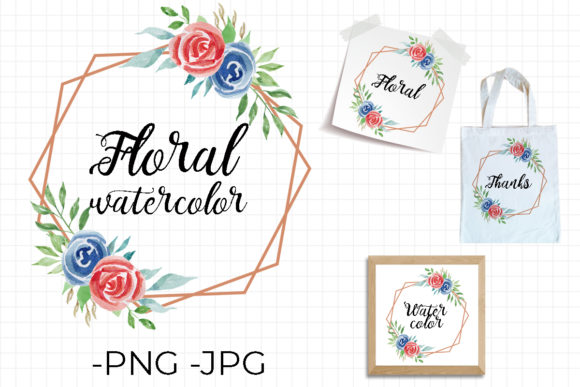
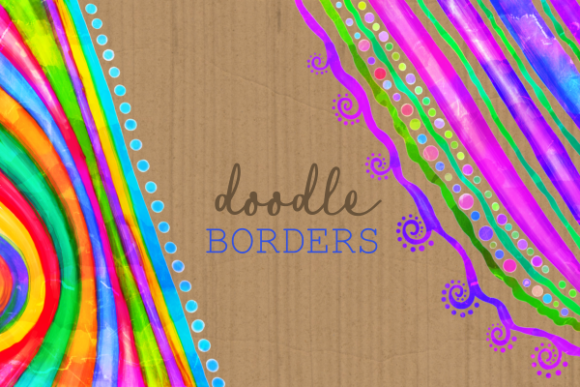
The Watercolor Ink Decorative Doodle Borders immediately caught my eye with their loose, painterly feel. These aren’t your typical rigid, symmetrical embroidery borders—they feel like brushstrokes on fabric. The design has a light, flowing structure with irregular edges and subtle ink-like textures. It gives off a whimsical, hand-drawn vibe that works especially well for baby items, nursery decor, or boutique apparel where softness and creativity matter.
Perfect Fit for Embroidery Projects with Personality
If you're an embroidery designer or a small business owner looking to elevate your handmade product line, this design brings a unique visual touch. It’s ideal for adding a decorative frame to embroidered names on tote bags, personalized sweatshirts, or even pillow covers. The organic flow of the design makes it stand out from more traditional, geometric borders, especially when stitched on light-colored, smooth fabrics like cotton or linen.
How It Performs in Real-Life Embroidery Situations
I tested the Watercolor Ink Decorative Doodle Borders on a few different embroidery projects—a custom embroidered tote bag, a baby onesie, and a linen tea towel. On the tote bag, the border framed a monogram beautifully, giving it a boutique-level finish. On the baby onesie, it added a soft, artistic touch without overwhelming the small space. The tea towel looked like a high-end handmade item, perfect for gift shops or Etsy listings.
The stitch density felt balanced—enough coverage to read clearly, but not so dense that it stiffened the fabric. I used a medium-weight stabilizer and had no puckering, even on the thinner cotton of the onesie. The satin and fill stitches blended well, maintaining the watercolor illusion even after stitching.
Where to Use It Carefully
While this design is lovely, it’s not a one-size-fits-all solution. The intricate, flowing lines can get lost or distorted on textured fabrics like fleece or denim. I noticed some detail loss when I tested it on a stretchy knit, especially around the curved edges. If you're considering using it on a cap or hat, be mindful of how the design might pull or warp on the curved surface.
Also, the delicate ink strokes may not hold up well on dark fabrics unless you carefully choose thread colors that contrast enough to stand out. And if you're working with a small hoop size, parts of the border may get cut off or look cramped. Always test on scrap fabric first and check how the corners and fine lines stitch out.
Visual Appeal and Customer Reaction
From a design standpoint, these borders elevate the visual appeal of any finished product. They feel custom-made, even when used as a digital embroidery file from a pre-made collection. When I showed the embroidered tote bag to a few potential customers, they assumed it was a high-end, custom design—exactly the kind of reaction you want when selling Etsy items or boutique products.
These borders also help build customer trust. When people see a well-executed, artistic design like this, they perceive the item as thoughtfully made. It adds a level of professionalism that’s hard to achieve with generic embroidery files. For creative entrepreneurs building a brand, that kind of detail can make a big difference in how your products are received.
Design Notes for Embroidery Professionals
If you're planning to use Watercolor Ink Decorative Doodle Borders in your next project, here are a few practical tips from my experience:
- Test on scrap fabric before stitching on your final product, especially if you're using a new fabric type or thread color.
- Check thread color contrast—lighter thread on dark fabric or vice versa can dramatically affect how the design reads.
- Review stitch density for the fabric type—too dense and it might pucker, too light and the design might look washed out.
- Confirm hoop size compatibility, especially if you're using a smaller hoop or stitching on a curved surface like a cap.
- Inspect small details like ink splatters or thin lines—some may not stitch cleanly on certain machines or with lower quality thread.
- Test in black and white mockups to see how the design looks without color distractions.
- Compare light and dark fabric backgrounds to ensure the design remains legible and visually appealing.
- Use proper stabilizer—a medium-weight tear-away worked best for me, but for stretchy fabrics, consider a lightweight cutaway.
- Check licensing before selling finished items or digital products—this is crucial for digital product sellers and craft businesses.
Best Use Cases and Product Pairings
This design shines brightest when used in personalized gifts and holiday embroidery. I used it to frame a name on a Christmas stocking and it looked instantly gift-ready. It also works beautifully for wedding gifts, like embroidered handkerchiefs or guest book covers. For small shop products, consider using it on tea towels, aprons, or kitchen linens to add a boutique feel.
If you're into printable mockups or digital product previews, this border design adds a high-end touch that makes your design assets look more professional. It's also a great fit for commercial embroidery projects that need a soft, artistic edge—like boutique branding or custom packaging embroidery.
Final Thoughts: A Design Worth Keeping in Your Collection
Overall, the Watercolor Ink Decorative Doodle Borders are a strong addition to any embroidery project that calls for a soft, artistic touch. Whether you're a hobbyist making a gift for a friend or a creative entrepreneur building a product line, this design adds visual interest and a sense of craftsmanship. Just be mindful of fabric type, hoop size, and thread choice to get the best results.
As a designer, I appreciate when a machine embroidery design feels like it was made for real use—not just for show. These borders do exactly that. They’re flexible enough for multiple applications, detailed enough to impress, and soft enough to feel personal. If you're looking for a design that adds both brand consistency and giftability to your work, this one deserves a spot in your library.