Watercolor Paint Flower Repeat Pattern Review
First Impressions: A Soft, Artistic Touch
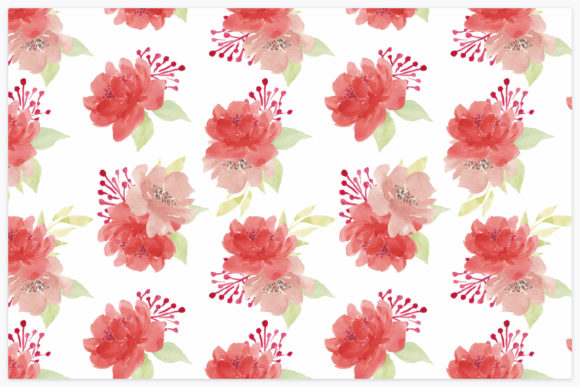
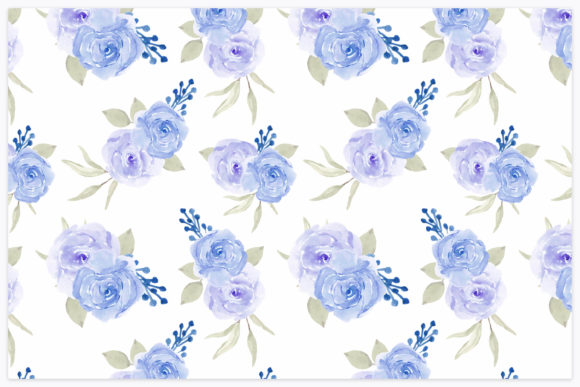
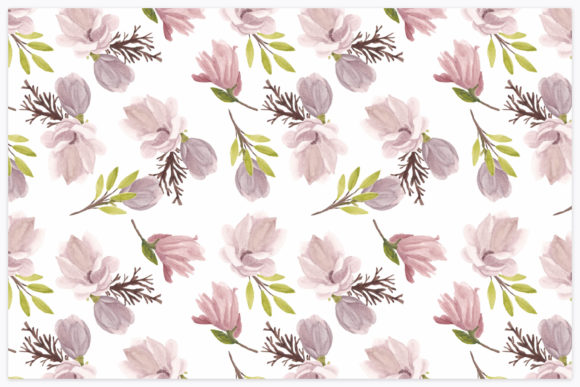
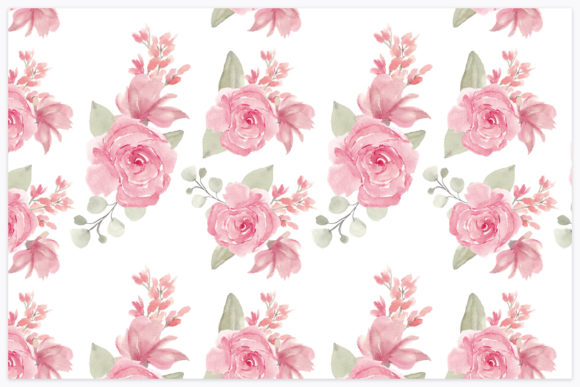
Opening up the Watercolor Paint Flower Repeat Pattern, I was immediately struck by the soft, painterly aesthetic. It's not a bold or flashy design, but one that exudes quiet elegance. The watercolor effect gives it a hand-drawn quality that feels organic and inviting. The floral repeat is seamless, which is crucial for a pattern like this, and the spacing between motifs feels balanced — not too crowded, not too sparse.
It carries a gentle, spring-like mood, perfect for projects that aim to feel warm and approachable. If you're looking for a design that whispers rather than shouts, this one fits the bill. I can already picture it stitched onto a linen tote or a soft cotton baby blanket — it just feels like it belongs in those spaces.
Real-Life Use: From Totes to Sweatshirts
I tested the Watercolor Paint Flower Repeat Pattern on a few different project types to see how it holds up in real embroidery work. Starting with a medium-weight cotton tote bag, the pattern stitched cleanly with no distortion. The satin and fill stitches laid down smoothly, and the overall design retained its painterly charm without looking muddy or overworked.
When I scaled it down slightly for a sweatshirt panel, the result was still impressive. The soft edges of the watercolor effect helped mask any minor tension issues that tend to show up more on thicker, textured fabrics. It also translated well to a baby onesie — the design's gentle tones and floral theme felt appropriate and not overly juvenile.
One of the standout uses was on a custom embroidered patch. The pattern held its detail well even after being cut and ironed onto a denim jacket. It added a personal, artistic touch without looking too busy or crafty.
Where It Shines: Versatility Meets Visual Appeal
This design works especially well for makers and small business owners who want to elevate their product offerings without going overboard on complexity. The Watercolor Paint Flower Repeat Pattern adds a handmade, boutique feel to items like tea towels, aprons, and holiday gifts — all without requiring advanced embroidery skills.
It also plays well in digital product ecosystems. For Etsy sellers or digital product creators, this design could easily be used in printable mockups or digital previews. The soft, artistic look makes it stand out in online listings and gives a sense of quality and craftsmanship that buyers can sense even before seeing the physical item.
From a branding standpoint, it’s versatile enough to fit into a range of niches — from botanical-themed shops to minimalist lifestyle brands. Used consistently across items like pillow covers, caps, and embroidered patches, it can help reinforce a cohesive brand image.
Caution Zones: Fabric and Detail Considerations
While the design is generally easy to work with, there are a few situations where I'd recommend extra care. For instance, on very dark fabrics, the light-toned watercolor effect can get lost unless you test with thread color contrast or add a subtle underlay. I found that switching to a slightly bolder thread palette helped maintain the design’s visual impact.
It also requires a bit of attention when used on stretchy or thin fabrics. On a lightweight jersey knit, some of the finer details in the flower centers blurred slightly during stitching. Using a lightweight stabilizer helped, but it’s something to keep in mind if you're planning to use this on baby clothes or t-shirts.
Small hoop sizes can be a challenge too — the pattern has enough detail that scaling it down too far can cause some of the subtler elements to merge or disappear. If you're working with a limited hoop space, consider simplifying or focusing on a single motif rather than the full repeat.
Stitching Notes: Practical Pointers for Real Projects
Before diving into a finished product, I always recommend a few basic tests. First, stitch out the Watercolor Paint Flower Repeat Pattern on scrap fabric that matches your intended material — especially if you're using textured, stretchy, or dark-colored fabric. This helps you spot any issues with thread coverage, stitch density, or detail clarity before committing.
- Thread color contrast matters — try a few variations to see what makes the watercolor effect pop.
- Stabilizer choice should match your fabric type. A medium-weight tear-away works well for most cottons and linens, while a lightweight cut-away may be better for stretchy materials.
- Check stitch density if you're using the design on garments that will be washed frequently — too dense and the fabric may pucker, too loose and the design may fade over time.
- Test in black and white mockups to see how the design reads without color — this helps assess clarity and detail retention.
- Confirm licensing if you're planning to sell finished items or digital embroidery files — make sure the design is approved for commercial use.
Final Thoughts: A Thoughtful Design for Real Makers
The Watercolor Paint Flower Repeat Pattern is more than just a pretty design — it’s a practical, adaptable choice for embroidery designers, Etsy sellers, and small shop owners. Whether you're creating personalized gifts, boutique apparel, or digital design assets, this pattern offers a balance of artistic flair and embroidery-friendly structure.
It brings a sense of warmth and creativity to finished products, helping elevate handmade items from simple crafts to thoughtful keepsakes. As long as you're mindful of fabric type, thread choice, and hoop size, it's a reliable addition to your embroidery project toolkit.
For those building a collection of machine embroidery designs, this one earns a solid place on the shelf — not just for its visual appeal, but for how well it performs in real-life use.