Watercolor Sunflower Wreath: A Fresh Print Template for Organic Branding and Seasonal Design Projects
First Impressions: A Soft, Natural Vibe with Artistic Flair
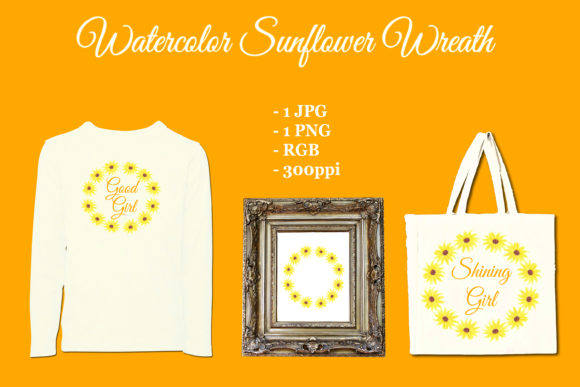
Opening the Watercolor Sunflower Wreath file, the first thing that strikes me is the gentle, painterly texture. The watercolor strokes give it a soft, handcrafted look that immediately evokes warmth and approachability. This isn’t a rigid, vector-based graphic—it’s organic, with subtle variation in brushstrokes and pigment saturation that adds depth and realism. The sunflowers are arranged in a wreath format, making it ideal for circular layouts or as a decorative framing element. It feels like a perfect fit for a small business or brand that wants to convey a natural, artisanal aesthetic.
Design Style and Emotional Impact
This design asset leans into the handmade business and small business branding space with a soft, botanical charm. The watercolor texture gives it a painterly authenticity that feels more personal and less digital. The sunflower motif is inherently cheerful and welcoming, making it a strong emotional anchor for brands that want to project positivity, growth, or a connection to nature. It’s especially effective for seasonal campaigns—think spring product launches, summer branding refreshes, or autumnal packaging accents.
Real-World Use: From Branding to Packaging and Beyond
As a graphic designer evaluating Watercolor Sunflower Wreath for a client project, I immediately considered how it could support a variety of deliverables. Here’s how it holds up across common design applications:
- Logo design: Not ideal as a primary logo, but could serve as a supporting brand element or seasonal variation.
- Brand identity: Works beautifully as part of a secondary brand kit—think social media templates, seasonal headers, or printables.
- Product labels: Adds a soft, organic touch to food, wellness, or lifestyle product packaging.
- Packaging design: Perfect for wrapping paper, gift tags, or inner packaging that supports a natural aesthetic.
- Printable designs: Excellent for planners, calendars, greeting cards, and wall art in the printable design space.
- Social media graphics: Serves as a background or framing element for Instagram posts, Pinterest pins, and Facebook covers.
- Canva templates: A strong visual anchor for designers creating seasonal or botanical-themed templates for clients.
- Cricut projects: The file format should allow for easy cutting and layering in DIY and craft-based design workflows.
Where It Shines: Visual Placement and Layout Considerations
The Watercolor Sunflower Wreath design excels in large layout areas where its texture and detail can breathe. It works beautifully as a hero graphic on product mockups, landing pages, or packaging inserts. It also holds up well as a decorative accent in themed collections—think botanical-inspired wedding invitations, artisanal soap packaging, or a boutique coffee shop’s seasonal menu.
Its organic nature makes it ideal for campaign visuals tied to nature, wellness, sustainability, or community-based branding. In editorial design, it could serve as an elegant divider or header graphic in newsletters or digital magazines.
Where to Use It Carefully: Visual Clarity and Context
While the design is beautiful, it’s not a one-size-fits-all solution. In small sizes, the watercolor texture can become muddy or lose definition, especially when printed. It should be used cautiously in crowded layouts where visual hierarchy is critical—its softness can compete with bold typography or sharp icons.
It’s also not the best fit for minimalist branding or professional corporate materials where clean lines and crisp visuals are expected. In low-contrast designs, such as light graphics on a white background, the sunflower wreath may not stand out enough to justify its use.
How It Impacts Design Quality and Brand Perception
When used appropriately, Watercolor Sunflower Wreath enhances the visual trust and emotional appeal of a design. Its handcrafted look adds authenticity, which is key for brands targeting audiences that value artisanal or eco-conscious products. It supports brand consistency when used as part of a cohesive visual system—especially when paired with complementary textures, fonts, and color palettes.
From a readability standpoint, it’s best used as a background or supporting graphic rather than a primary visual element. Overuse or improper placement can disrupt visual hierarchy and dilute the main message of a design. However, when balanced well, it contributes to a polished, professional finish that elevates the overall impression of a project.
Designer Notes: Practical Checks Before Final Use
Before committing to use this design asset in a client project, I recommend the following checks:
- Test in black and white to see how the texture holds up without color.
- Check contrast on both light and dark backgrounds to ensure legibility.
- Preview at multiple sizes—especially if it’s going to be used in print or on mobile.
- Place it on real mockups to evaluate how it integrates with other design elements.
- Test print quality if it’s going to be used in physical packaging or product design.
- Review file formats included—look for SVG or vector files for scalability, and PNG with transparent backgrounds for digital use.
- Inspect PNG transparency if included, especially for overlaying on photos or backgrounds.
- Compare with different fonts—try pairing it with serif, sans serif, script, and handwritten fonts to see which combinations feel most cohesive.
- Confirm commercial licensing before use to ensure it can be legally applied to client work or print-on-demand products.
Final Thoughts: A Versatile Design Asset for the Right Project
Watercolor Sunflower Wreath is a thoughtful graphic design asset that bridges the gap between digital design and traditional illustration. It’s especially valuable for designers working on marketing visuals, product mockups, or brand identity projects that require a warm, organic feel. Whether you're designing for a boutique brand, an Etsy shop, or a local event, this asset can help elevate your visual storytelling.
It’s not a universal solution, but for the right creative marketplace or handmade business, it’s a strong addition to any design toolkit. As with any digital product, the key is knowing how and where to use it effectively—something that becomes clear after a few test layouts and mockups.