Abstract Watercolor Background 43: A Designer’s Real-World Embroidery Review
First Impressions: Soft, Artistic, and Versatile
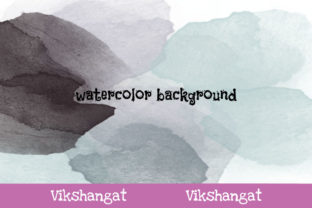
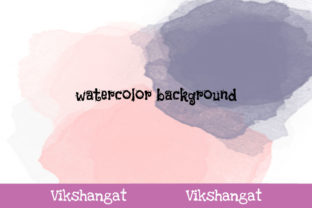
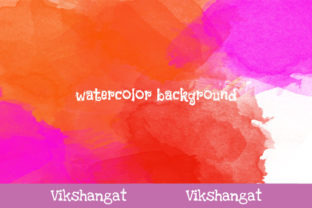
The moment I opened the preview for Abstract Watercolor Background 43, I was struck by its painterly feel. It doesn’t scream “embroidery design” the way satin-stitched florals or blocky monograms do. Instead, it whispers—soft gradients, blurred edges, and flowing shapes that mimic brushstrokes. It’s the kind of background that could elevate a simple tote bag or add a touch of sophistication to a baby onesie.
As someone who reviews embroidery files for small business owners and Etsy sellers, I appreciate how this design avoids looking mass-produced. It gives a handmade product a curated, almost gallery-like quality. That’s a big win for makers trying to stand out in crowded markets.
Real-World Use: From Sweatshirts to Holiday Gifts
I tested Abstract Watercolor Background 43 on a few different items to see how it held up in real-life embroidery situations. First up: a custom sweatshirt. The background stitched cleanly on medium-weight fleece, and the subtle color transitions gave the garment a modern, artistic edge. It wasn’t overpowering, but it definitely caught the eye—perfect for someone who wants a unique look without going overboard.
Next, I tried it on a lightweight cotton tea towel for a holiday gift line. The background worked beautifully as a soft canvas for a simple embroidered name or date. It added visual interest without competing with the personalization. For Etsy sellers, that’s a great combo—versatile and easy to customize.
When I stitched it onto a baby bodysuit, I was a little nervous about the softness of the design translating well on such a small space. But the background scaled down nicely, especially when paired with a minimalist embroidered animal or initial. It gave the item a boutique feel without being too busy.
Where to Use It Carefully
Like any background design, Abstract Watercolor Background 43 has its limitations. I wouldn’t recommend it for small hoop sizes—say, anything under 4x4 inches. The abstract nature of the design relies on subtle shifts in texture and color, which can get lost when scaled down too far.
I also noticed that on textured or stretchy fabrics like minky or ribbed knits, the background didn’t always read as cleanly. The soft edges can blur into the fabric if the stabilizer isn’t strong enough or the stitch density isn’t adjusted properly. It’s a good idea to test on similar materials before committing to a full run of items.
Dark fabrics can be tricky too. The design assumes a certain level of contrast, so if you’re using it on black or navy garments, be sure to test thread colors that pop—like metallics or bright pastels. Otherwise, the background might disappear into the fabric.
How It Impacts Presentation and Value
One of the biggest selling points of Abstract Watercolor Background 43 is how it enhances the perceived value of a finished product. Whether you’re making embroidered pillows for a boutique or personalized baby blankets for a craft fair, this background adds a sense of artistry and intention.
From a customer’s perspective, it reads as something unique—like it was custom-made for the item rather than pulled from a generic design library. That’s huge for Etsy sellers and small shop owners trying to build trust and brand recognition.
It also works well in digital product previews. I dropped the design into a few printable mockups for a client selling embroidered aprons online, and the soft background helped the product photos feel more cohesive and professional. It didn’t distract from the main design but added just enough visual flair to make the product stand out.
Designer Notes: Practical Tips for Using This Background
- Test on scrap fabric first, especially if you’re using a textured or stretchy material. Adjust tension and stabilizer as needed.
- Check thread color contrast before stitching on dark or light backgrounds. You may need to tweak the palette for optimal visibility.
- Review stitch density if you’re planning to sell items that will be washed frequently. A denser fill stitch may be necessary for durability.
- Confirm hoop size compatibility with your machine before starting a large batch of items.
- Inspect small details in corners or edges—some areas may require minor editing depending on your hoop size.
- Try a black and white mockup first to see how the design reads without color distractions.
- Use proper stabilizer for layered or curved surfaces like caps and baby hats to avoid puckering or distortion.
- Verify licensing before using the design in commercial embroidery projects or digital product bundles. Make sure it’s approved for resale.
Final Thoughts: A Strong Background for Creative Makers
Abstract Watercolor Background 43 is more than just a filler—it’s a design that adds mood, depth, and personality to any embroidery project. Whether you’re a craft business owner, a custom apparel decorator, or a digital product seller, this background can help you create items that feel intentional and elevated.
It’s not a one-size-fits-all solution, but with a little care and planning, it can be a powerful tool in your design arsenal. If you’re looking to add a touch of softness and artistry to your embroidered products, this one’s worth a test run.