Abstract Watercolor Background 57: A Designer’s Honest Review for Real Embroidery Projects
First Impressions: Soft, Artistic, and Versatile
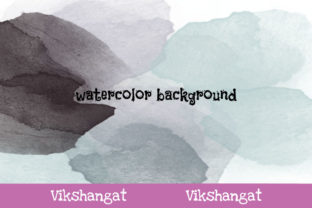
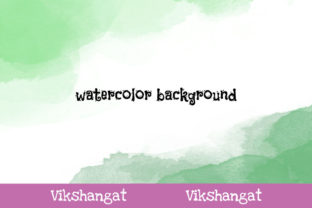
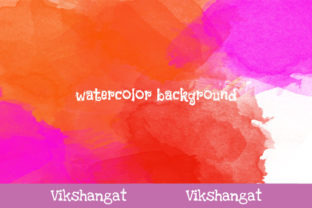
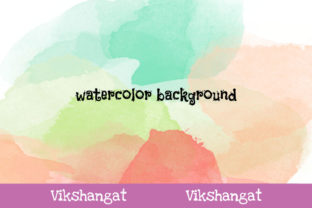
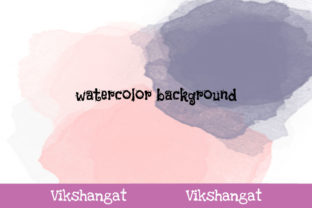
The moment I opened the preview for Abstract Watercolor Background 57, I was struck by its painterly texture and organic flow. It doesn’t scream for attention like some bolder embroidery designs. Instead, it whispers with soft gradients and fluid brushstroke details, creating a subtle backdrop that feels both modern and timeless. This is a background design that invites customization — perfect for adding names, monograms, or small motifs on top without overwhelming the overall look.
As an embroidery designer, I immediately thought of how this would translate to a range of products — from boutique tote bags to personalized baby onesies. The abstract nature of the design means it’s not tied to a specific theme or season, which is a big plus for small business owners looking to keep their product lines fresh year-round.
Real-World Use: From Sweatshirts to Holiday Gifts
I tested Abstract Watercolor Background 57 on a few different fabric types and project types to see how it holds up in real-life embroidery scenarios. Here’s what I found:
- Custom Sweatshirts: The soft watercolor texture blended beautifully with the fuzzy surface of a brushed cotton hoodie. The background added dimension without looking bulky or busy.
- Tote Bags: On a sturdy cotton canvas tote, the design gave a boutique-style finish. I layered a small satin-stitched initial over the background, and it looked clean and professional.
- Baby Clothes: Applied to a baby bodysuit, the background felt gentle and artistic — not too flashy, but still unique enough to stand out at a baby shower.
- Holiday Embroidery: Paired with a simple embroidered tree or snowflake motif, this background elevated the design from crafty to curated. Great for Etsy sellers offering seasonal items.
One of the biggest strengths of this design is its adaptability. Whether you're creating a personalized gift or a small batch of embroidered patches for a local business, this background helps elevate the final product without requiring complex stitching techniques.
Where to Use with Care
Like any background design, Abstract Watercolor Background 57 has its limitations. Here are a few situations where I’d suggest extra caution:
- Small Hoop Sizes: The background may lose its visual impact if scaled down too much. You risk losing the soft watercolor effect when compressed into a 4x4 hoop.
- Textured Fabrics: While it worked well on cotton and fleece, I noticed the design didn’t read as clearly on highly textured or nubby fabrics. The detail can get lost in the weave.
- Stretchy or Thin Fabrics: Use a lightweight cutaway or tear-away stabilizer to prevent puckering. I’d avoid using this on ultra-thin or stretchy knits unless you’re confident in your stabilizing technique.
- Dark Fabric Backgrounds: The design assumes a light-to-medium fabric base. If you're using it on dark fabric, test the thread color contrast carefully to ensure the watercolor effect still reads clearly.
Also, be mindful of the corners and edges. While the design is fluid, it does have soft edges that may get cut off if you’re not careful with placement. This matters especially when embroidering curved surfaces like caps or rounded pillow covers.
Impact on Product Appeal and Customer Perception
From a business standpoint, Abstract Watercolor Background 57 has the potential to increase the perceived value of your finished product. Its soft, artistic vibe appeals to customers looking for something beyond basic monogramming or clipart-style embroidery.
For Etsy sellers and small shop owners, this kind of background design can help create a cohesive, branded look across multiple product types. It also works well in digital product bundles — for example, pairing the background with seasonal SVGs or applique motifs to create ready-to-sew embroidery kits.
What really stood out to me was how well this design works in both personal and commercial embroidery projects. It doesn’t scream “mass-produced,” which is a win for handmade shops aiming to maintain authenticity while scaling their offerings.
Designer Notes: Practical Tips Before You Stitch
Here are a few practical tips I picked up while working with Abstract Watercolor Background 57:
- Test on Scrap Fabric: Always test the design on a similar fabric before stitching your final product. This helps you catch any density or texture issues early.
- Check Thread Color Contrast: The watercolor effect relies on subtle gradations. Make sure your thread colors support that — avoid high-contrast combinations unless you want a bolder look.
- Use Proper Stabilizer: Depending on your fabric, use a lightweight cutaway or tear-away stabilizer to maintain clarity and prevent puckering.
- Review Stitch Density: If the background looks too dense or too sparse on your machine, adjust the density settings slightly to match your fabric type.
- Confirm Licensing: If you're selling finished items or digital embroidery files, make sure you have the right to use and resell this design. Always check the license terms before offering it in your shop.
Also, consider testing the design in black and white mockups to see how it will look on darker fabrics. This helps you visualize the final product before committing thread and time.
Final Thoughts: A Background That Feels Like a Feature
In a market flooded with generic embroidery backgrounds, Abstract Watercolor Background 57 stands out as something more — a design that feels like a feature rather than just a filler. It’s versatile enough for everyday use and elegant enough for special occasion items. Whether you're creating personalized gifts, custom apparel, or boutique-style merchandise, this background can help elevate your work with minimal effort.
As a designer who’s tested dozens of background designs over the years, I’d say this one earns a solid place in any embroidery project toolkit — especially for those who want to offer a touch of artistry without complicating the stitching process.