Watercolor Cats Pattern for Embroidery Projects
First Impressions: Soft, Playful, and Versatile
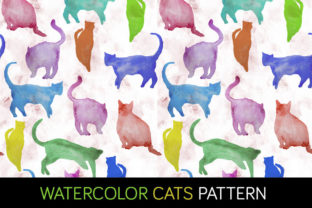
The Watercolor Cats Pattern - Digital Paper immediately caught my eye with its soft, painterly aesthetic. The watercolor texture gives it a hand-drawn charm that feels both artistic and approachable. It’s not overly detailed, which is a plus for embroidery work, and the flowing lines of the cat illustrations suggest movement and whimsy. This makes it ideal for projects targeting a younger or more casual audience—think boutique baby clothes, handmade tote bags, or personalized nursery decor.
The layout is balanced, with each cat framed in a way that makes it easy to resize or reposition depending on the project. The pattern’s visual personality leans toward a modern bohemian vibe, which means it can fit into both trendy and timeless designs. As a designer, I appreciate how the pattern maintains a cohesive theme while still offering flexibility in placement and fabric choice.
Real-Life Use: From Tote Bags to Baby Onesies
I recently tested the Watercolor Cats Pattern - Digital Paper on a custom embroidered tote bag and a set of baby onesies. On the tote, the design stitched cleanly with minimal thread breaks and maintained a soft appearance even after washing. The watercolor texture held up surprisingly well in satin and fill stitches, giving the final product a slightly artistic edge that felt premium without being too busy.
On the baby onesies, the design scaled down nicely without losing clarity. The cats remained recognizable, and the soft color palette worked well with pastel fabrics. I did notice that on thinner cotton blends, the stitch density could cause slight puckering if not stabilized properly, but that’s more about technique than the design itself.
For a small business owner or Etsy seller, this pattern is a solid choice for creating cohesive product lines. Whether you're making embroidered tea towels, pillow covers, or holiday gift tags, the Watercolor Cats Pattern - Digital Paper adapts well to different surfaces and color schemes.
Where to Use It Carefully
While the pattern is versatile, there are a few caveats. On dark fabrics, the watercolor texture can get lost unless you adjust the thread colors or add a light background stitch. I tried it on a navy sweatshirt and found that the original color scheme didn’t pop enough. A few tweaks in thread selection helped, but it’s something to keep in mind when planning your project.
Also, because of the organic, flowing lines, this design may not be the best fit for curved surfaces like baseball caps unless you have experience adjusting hoop placement and stitch tension. The same goes for textured or stretchy fabrics like fleece or knits—always test on a scrap first.
One area to watch is the detail in the cat faces. While they’re charming, the finer lines can blur slightly on very small hoop sizes or with lower thread contrast. If you're using this for personalized gifts or boutique items, make sure the level of detail matches your customer’s expectations.
Visual Appeal and Marketability
The Watercolor Cats Pattern - Digital Paper has a strong visual appeal that translates well from digital mockups to finished products. As a designer, I found it helped elevate the perceived value of handmade goods—especially when paired with quality fabric and neat stitching. It gives a custom, artisanal look without requiring advanced embroidery techniques, which is a big plus for small shop owners or crafters looking to expand their product line.
From a branding standpoint, this design works well for businesses that lean into a soft, creative aesthetic. It’s recognizable enough to become part of a signature look, and versatile enough to be used across multiple product types—from embroidered patches to digital product previews. For Etsy sellers or digital product creators, it’s a great asset to showcase in printable mockups or promotional bundles.
Practical Notes for Embroidery Designers
- Always test the Watercolor Cats Pattern - Digital Paper on scrap fabric before stitching the final product.
- Check thread color contrast—especially on dark or textured fabrics.
- Review stitch density to avoid puckering on thinner materials.
- Confirm hoop size compatibility, especially if resizing for small projects like baby caps or keychains.
- Inspect small details like whiskers or facial features to ensure clarity after stitching.
- Test the design in black and white mockups to see how it holds up in monochrome.
- Compare how it looks on both light and dark fabric backgrounds.
- Use proper stabilizer to prevent shifting or distortion on stretchy or curved surfaces.
- Verify licensing before selling finished items or digital embroidery files.
For anyone in the craft business, this pattern is worth considering—not just for its visual appeal, but for its practical adaptability across different embroidery applications. Whether you're creating a custom embroidered sweatshirt or preparing a digital embroidery file for resale, the Watercolor Cats Pattern - Digital Paper offers a balance between creativity and usability that’s hard to find in many digital design assets.
Final Thoughts: A Design That Works for Real Projects
As a professional designer who evaluates embroidery files for both personal and commercial use, I can say the Watercolor Cats Pattern - Digital Paper delivers on its promise. It’s not just a pretty graphic—it’s a functional, flexible design that holds up in real-world applications. Whether you're an Etsy seller, a small shop owner, or someone looking to add a touch of whimsy to your handmade products, this pattern is a smart investment.
It’s the kind of design that feels personal yet professional, playful yet polished. And in today’s competitive handmade and digital product markets, that’s exactly the kind of balance that helps your work stand out.