Grey Ombre Watercolor Background Review for Real Embroidery Projects
First Impressions: A Subtle, Modern Canvas for Embroidery Design
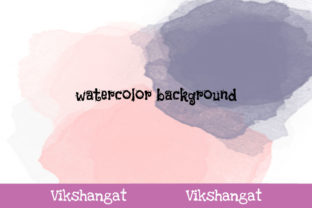
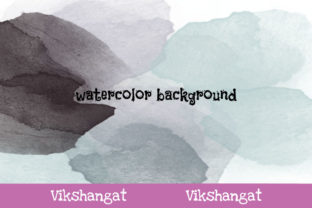
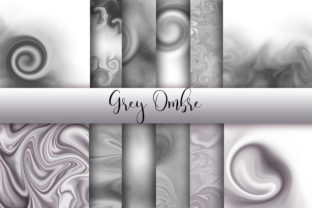
The Grey Ombre Watercolor Background immediately strikes a balance between minimalism and texture. It’s not a bold statement design, but rather a soft, atmospheric base that feels intentionally understated. The ombre effect mimics a painterly wash, fading from dark to light grey with gentle, blurred edges. This isn’t a busy background, but it still carries visual interest—perfect for projects that need a hint of depth without overwhelming the main design.
From a designer’s perspective, it reads as a versatile foundation. The watercolor texture adds dimension without being too graphic, making it suitable for both modern and slightly vintage-style embroidery projects. It’s the kind of background that could quietly elevate a design without demanding attention, which is exactly what many small business owners and Etsy sellers look for when crafting custom, marketable items.
Real-Life Use: How It Performs Across Embroidery Products
Let’s say you’re preparing a line of personalized tote bags for a boutique or a set of embroidered sweatshirts for a local shop. The Grey Ombre Watercolor Background fits well in both scenarios. On a tote bag, it gives a soft backdrop that makes embroidered lettering or a small applique pop. On a sweatshirt, it adds a layer of sophistication without clashing with the garment’s texture or color.
For baby items—like a onesie or a receiving blanket—the background works as a gentle, gender-neutral option. It pairs beautifully with minimalist embroidery motifs like monograms, tiny animals, or nature-inspired elements. The ombre effect subtly draws the eye inward, helping focus attention on the main design.
When used for patches or holiday gifts, this background lends a refined, handcrafted touch. It’s particularly effective when layered with satin stitch outlines or fine running stitch details. The soft gradient also helps mask minor stitching inconsistencies, which is a real plus for home embroiderers or small shops without industrial machines.
Where to Use It Carefully: Fabric, Fit, and Finishing Considerations
While the Grey Ombre Watercolor Background is adaptable, it does have limitations. On very small hoop sizes, the gradient can get lost, especially if the background is scaled down too much. This is a concern for items like baby caps or small embroidered patches where detail retention is key.
Textured or stretchy fabrics like knits or fleece can distort the background’s soft edges, making it look less intentional. On thin or sheer materials, the ombre may not hold up well under stitching, especially if the design includes dense fill stitches that could cause puckering. In these cases, extra stabilizer is a must.
Dark fabrics can mute the grey tones, making the background appear flat or washed out. If you're planning to use this design on black or navy garments, test it on a mockup first to ensure the contrast is still effective. Similarly, on curved surfaces like caps or curved pillow edges, the background may stretch or warp slightly during embroidery unless the hoop is positioned carefully.
Impact on Product Appeal and Customer Perception
From a business standpoint, the Grey Ombre Watercolor Background enhances the perceived value of a finished product. Its soft, artistic quality gives a more “designed” feel compared to flat-colored backgrounds. For Etsy sellers or boutique brands, that kind of subtle sophistication can make the difference between a generic item and a premium one.
It also supports brand consistency. If your shop leans into neutral tones or modern minimalism, this background can become a recurring design element across different product lines—tote bags, tea towels, and even holiday ornaments. Customers begin to associate that visual language with your brand, building recognition and trust.
As a gift item, the background adds a touch of elegance that appeals to buyers looking for something handmade but not overly busy. It’s versatile enough to work for weddings, baby showers, or housewarming gifts without being too specific in theme. That kind of flexibility is gold for small business owners trying to keep inventory lean but appealing.
Designer Notes: Practical Tips Before You Stitch
Before diving into a project with the Grey Ombre Watercolor Background, take a few practical steps to ensure it performs well in your specific use case:
- Test on scrap fabric first, especially if you’re using textured or stretchy material.
- Check thread color contrast—light grey thread may blend too much with the background on light fabrics.
- Review stitch density to avoid puckering, especially on delicate or thin materials.
- Confirm hoop size compatibility with your machine before embroidering on a finished garment.
- Inspect small details like corners or edges—these can lose definition when scaled.
- Try black and white mockups to see how the background reads without color influence.
- Compare light and dark fabric backgrounds to see how the ombre holds up in both.
- Use proper stabilizer—especially when stitching on stretchy or curved surfaces.
- Verify licensing if you plan to sell finished items or include the design in digital product bundles.
Final Thoughts: A Background Worth Stitching Into Your Product Line
The Grey Ombre Watercolor Background isn’t just another machine embroidery design—it’s a functional design element that can quietly elevate your handmade products. Whether you're creating custom apparel, personalized gifts, or boutique merchandise, this background adds a layer of visual interest without overpowering the main embroidery.
It’s especially useful for small business owners who want to maintain a cohesive, modern aesthetic across their product line. And for crafters who value subtlety and texture, it offers a way to add depth without overcomplicating the design.
In short, if you're looking for a flexible, elegant background that works well in both personal and commercial embroidery projects, the Grey Ombre Watercolor Background is worth adding to your digital embroidery file collection—just make sure to test it thoroughly before production.