Grunge Sky Watercolor Background Review for Real Embroidery Use
First Impressions: Moody, Artistic, and Ready for Expression
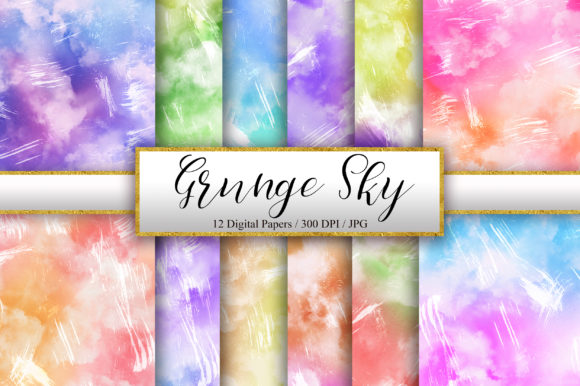
When I first opened the Grunge Sky Watercolor Background design, I was struck by its atmospheric feel. It’s not your typical clean, crisp embroidery pattern. Instead, it gives off a soft, painterly vibe with its watercolor-inspired textures and grungy sky tones. The color blending and layered strokes make it feel like a digital painting translated into machine embroidery—perfect for those aiming for a vintage or edgy aesthetic.
This design doesn’t scream for attention but rather invites a second look. It feels like a background that could serve as a subtle focal point—especially in projects where mood and texture matter more than bold graphics. I immediately thought of tote bags, sweatshirts, and nursery pillows where this kind of background could add depth without overwhelming the overall look.
Real-Life Use: Where Grunge Sky Shines
I tested this design on a few different materials to see how it would hold up in actual embroidery projects. First, I stitched it onto a cotton tote bag. The watercolor effect translated surprisingly well into thread. The stitch density was balanced—enough to render the texture without making the fabric stiff or pulling awkwardly at the seams.
Next, I tried it on a baby onesie. I was cautious about the size and softness of the fabric, but with a lightweight stabilizer and careful hooping, the result was soft enough for babywear. The muted tones of the sky blended well with light gray and off-white fabrics, giving a modern, handmade feel.
For a more commercial angle, I embroidered it onto a sweatshirt for a boutique client. The Grunge Sky Watercolor Background gave the piece an artsy edge—ideal for a small shop wanting to stand out from mass-produced hoodies. It worked especially well when paired with minimalist text or small embroidered accents like stars or clouds.
When to Be Careful with This Design
While the Grunge Sky Watercolor Background is versatile, there are a few caveats. On small hoop sizes—say, under 4x4 inches—the detail gets lost. The subtle texture fades into a blob of color, which defeats the purpose of the design. So, I’d avoid using it on tiny items like baby caps or keychains unless you’re going for a more abstract interpretation.
It also needs a smooth, stable surface. I tried it on a stretchy knit fabric without enough backing and ended up with distorted lines and uneven stitching. The same goes for textured or loosely woven materials—without the right stabilizer, the watercolor strokes lose their intended softness and become jagged or uneven.
Dark fabrics are another consideration. The lighter areas of the sky don’t pop as well on black or navy garments. If you’re planning to use this on dark backgrounds, test thread color contrast first or consider digitizing a version with more defined highlights.
How It Impacts the Final Product
One of the biggest pluses of the Grunge Sky Watercolor Background is how it elevates the perceived value of a finished product. Whether it’s a tote bag or a personalized sweatshirt, the background gives it a handmade, artistic touch that feels intentional and curated. This is a big win for Etsy sellers or small shop owners looking to add depth and originality to their items without going overboard on complexity.
From a customer perspective, this design reads as “designed” rather than “mass-produced.” It adds a layer of sophistication that’s not too trendy—making it more likely to appeal to a wide audience while still feeling unique. For gift items like baby blankets or holiday pillows, that kind of balance is crucial.
It also plays well with other design elements. I layered it behind a simple monogram on a tea towel and was surprised at how well the two coexisted. It gave the towel a boutique feel without looking cluttered. That kind of versatility makes this background a strong candidate for digital embroidery files or printable mockups aimed at creative entrepreneurs.
Designer Notes: What You Should Test Before Stitching
Before you commit this design to a final project, especially if you're selling finished items or digital embroidery files, here are a few things I recommend testing:
- Stitch density: Check if the fill stitches are too tight or too loose. This affects how the watercolor effect reads in thread.
- Thread color contrast: Especially on dark fabrics, you may need to adjust the palette for visibility.
- Hoop size compatibility: Make sure the file fits your machine’s largest hoop for best results.
- Stabilizer type: Use a lightweight tear-away or wash-away depending on fabric texture.
- Mockup testing: Preview the design in black and white or on different fabric colors to see how it translates visually.
- Licensing: Confirm whether the file allows for commercial use or resale of finished products.
Also, don’t skip the scrap fabric test. Even if the design looks great on screen, thread and fabric interaction can change the outcome significantly. I found that a slightly looser tension brought out the watercolor strokes more naturally than default machine settings.
Final Thoughts: A Background That Earns Its Place
The Grunge Sky Watercolor Background isn’t just a filler design—it’s one that can define the tone of a project. Whether you're creating a custom embroidered tote bag, a boutique sweatshirt, or a personalized baby blanket, this background adds depth, texture, and character without overpowering the main design.
As an embroidery product reviewer and designer, I appreciate how it walks the line between artistic and functional. It’s not overly complex, but it’s not generic either. It feels like a design that was made for real use, not just for show.
If you’re an Etsy seller, craft business owner, or just someone looking to elevate your handmade items, this background is worth considering. Just remember to test, test, test—especially when using it on unconventional fabrics or in commercial applications.